
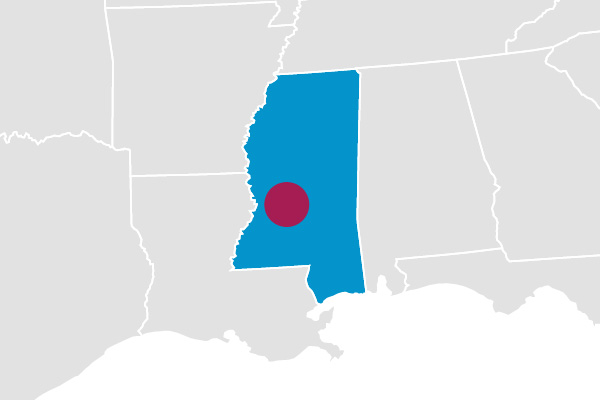
 Hinds County, Madison County, and Rankin County—the three counties that make up the Jackson, MS metropolitan statistical area (MSA)


It follows thousands of participants from the Jackson, Mississippi metropolitan area over time to learn what influences heart disease, stroke, heart failure, and related conditions, and how these conditions can be prevented.
Why the study existsCardiovascular disease is the leading cause of death in the U.S., and evidence has shown higher cardiovascular death rates among African Americans, with particularly high rates in Mississippi. JHS was created to better understand the “why” behind these differences—and to turn that knowledge into better prevention and care.
What makes JHS uniqueCommunity-based and long-term: Participants are followed across years through periodic exams and annual health updates.
Whole-person focus: JHS looks at traditional risk factors (blood pressure, cholesterol, diabetes risk) and social and lived-experience factors (like stress, coping and spirituality, experiences of racism/discrimination, socioeconomic position, and access to care).
Built on strong partnerships: Sponsored by the National Heart, Lung, and Blood Institute (with NIH partners) and carried out in partnership with three Jackson institutions: Jackson State University, University of Mississippi Medical Center, and Tougaloo College.
JHS enrolled adult African Americans from urban and rural areas of the three counties that make up the Jackson metro area (Hinds, Madison, and Rankin). Participants were recruited through four pathways (random sampling, volunteers, continuing participants from the Atherosclerosis Risk in Communities Study, and family members).
Recruitment focused on adults ages 35–84, with a younger age range included for the family cohort (ages 21–34).
At major exam visits, participants complete a comprehensive clinic exam with interviews, physical measures, and lab testing. JHS also stays in contact over time through annual follow-ups to understand health changes and medical events.
How the information is usedJHS data and stored samples help researchers study:
How heart disease develops and progresses
Early indicators of disease and prevention opportunities
Genetic and familial contributions
The impact of social and environmental factors on cardiovascular outcomes